Shirakawa Park
⭐ 4.0 (7,032) · 7,032 reviews

Shirakawa Park

A green oasis in the heart of Nagoya's Sakae district — home to the Nagoya City Science Museum and Art Museum, with cherry blossoms in spring and open lawns all year round.

🕒 Open 24 hours

Open 24 hours Free entry Sakae, Nagoya

Discover Shirakawa Park

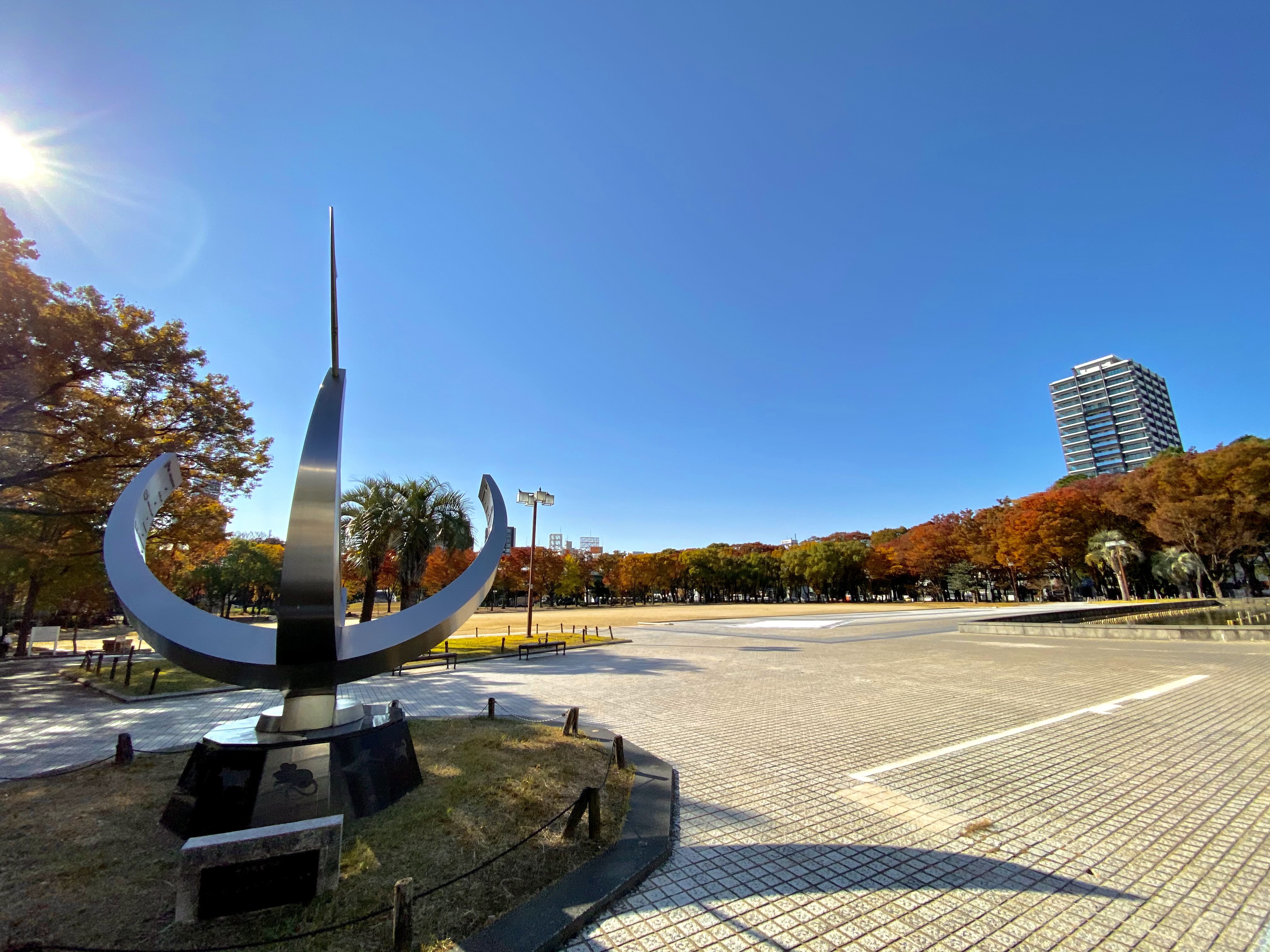
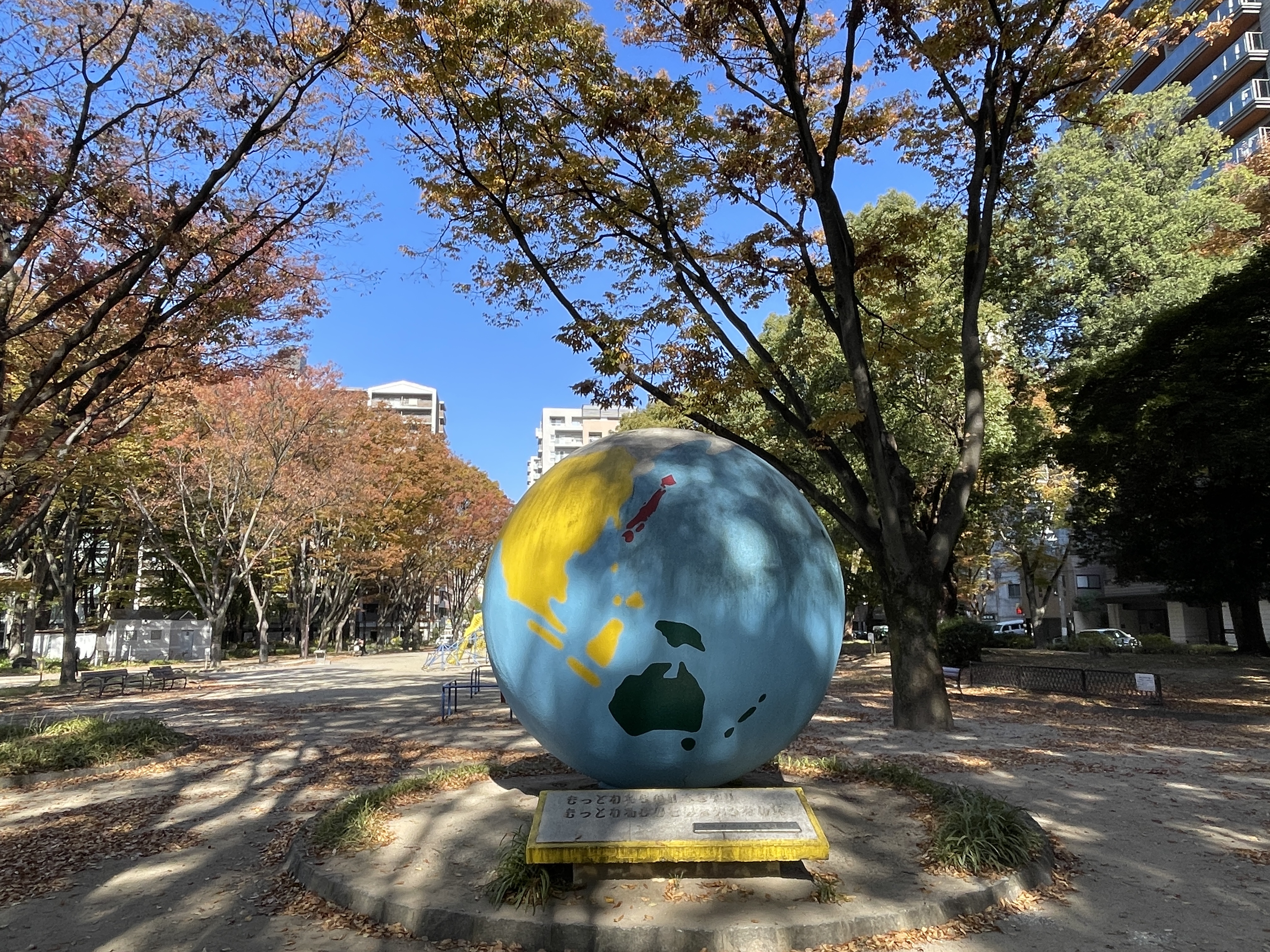
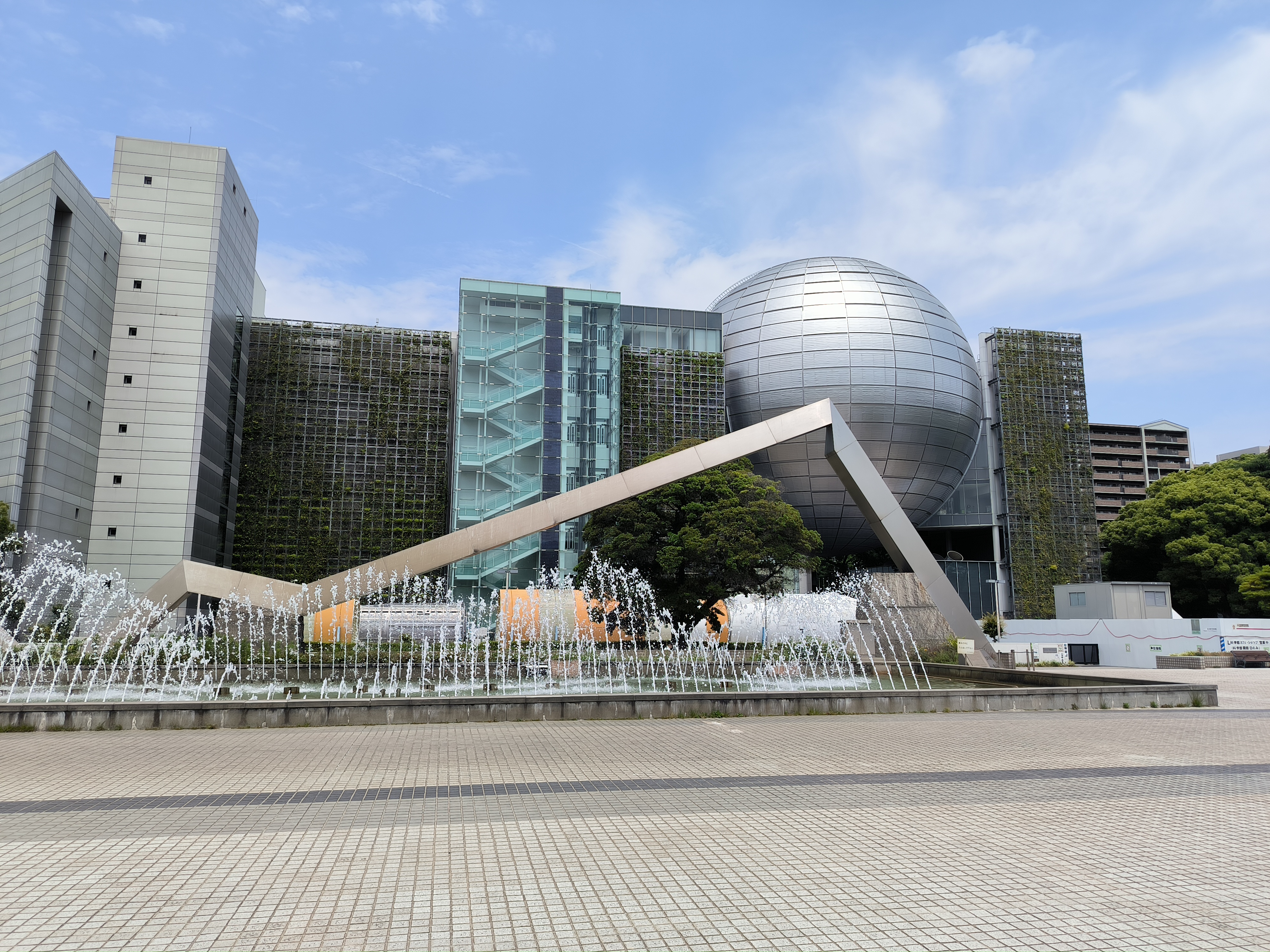
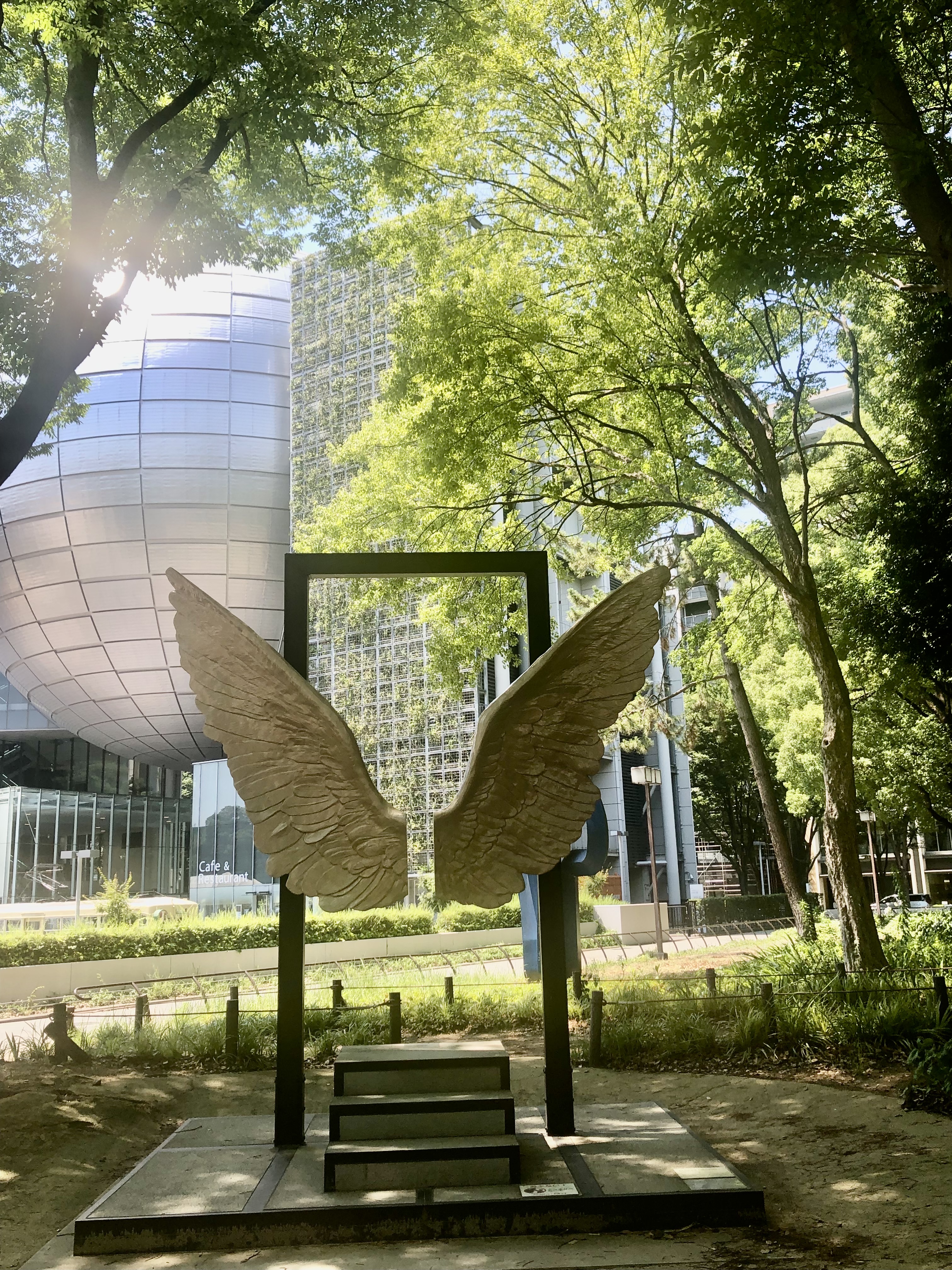
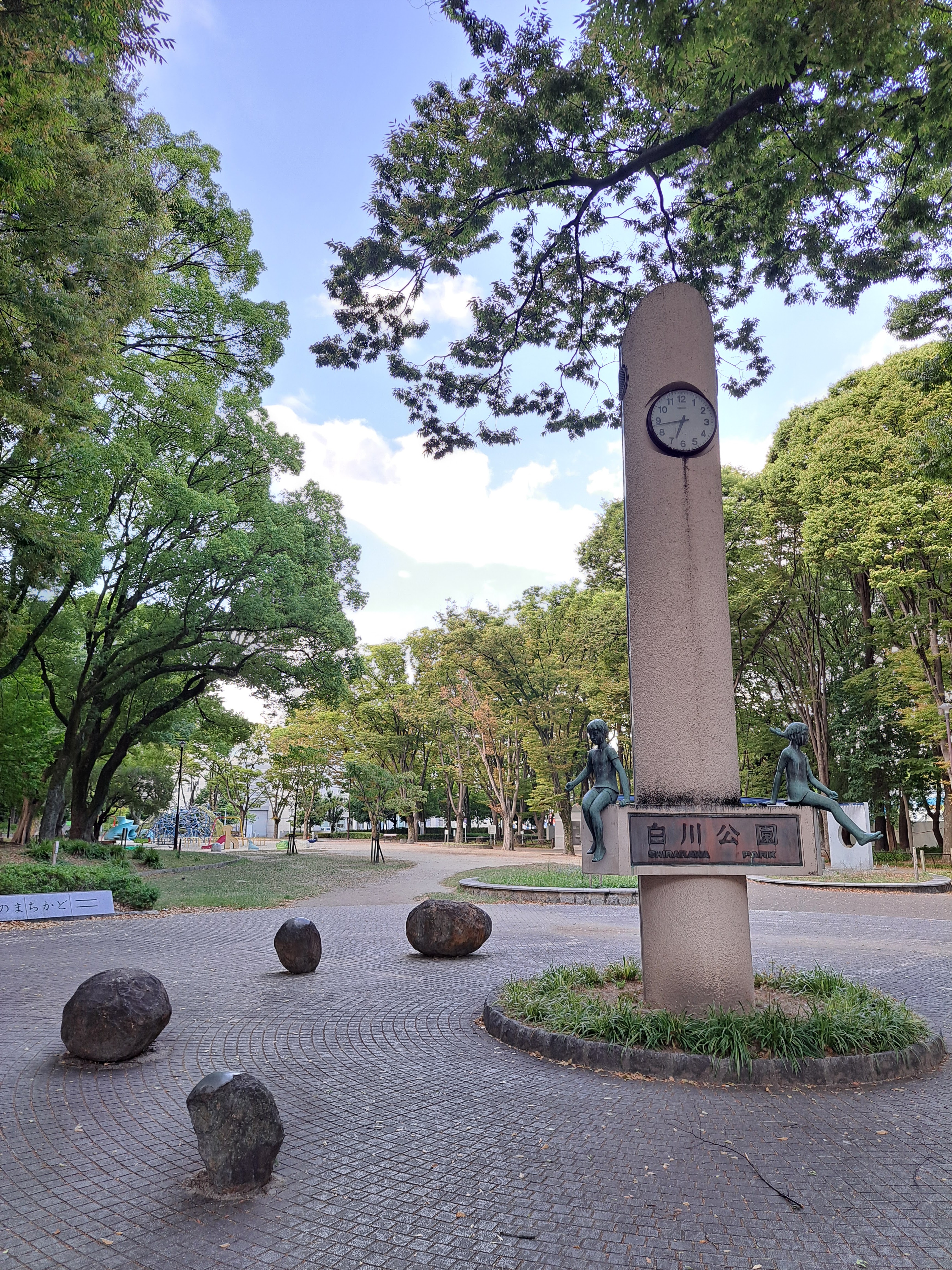
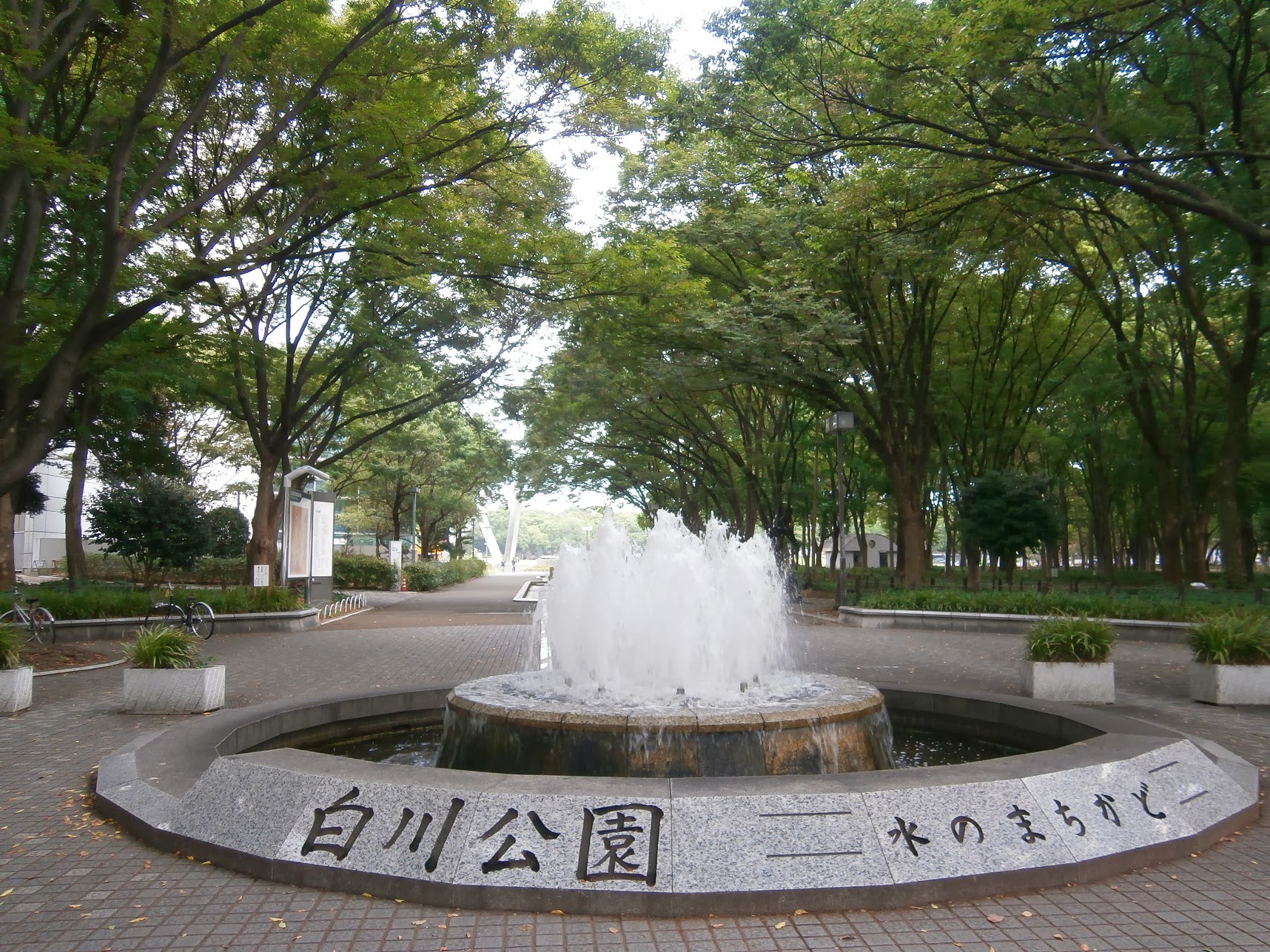
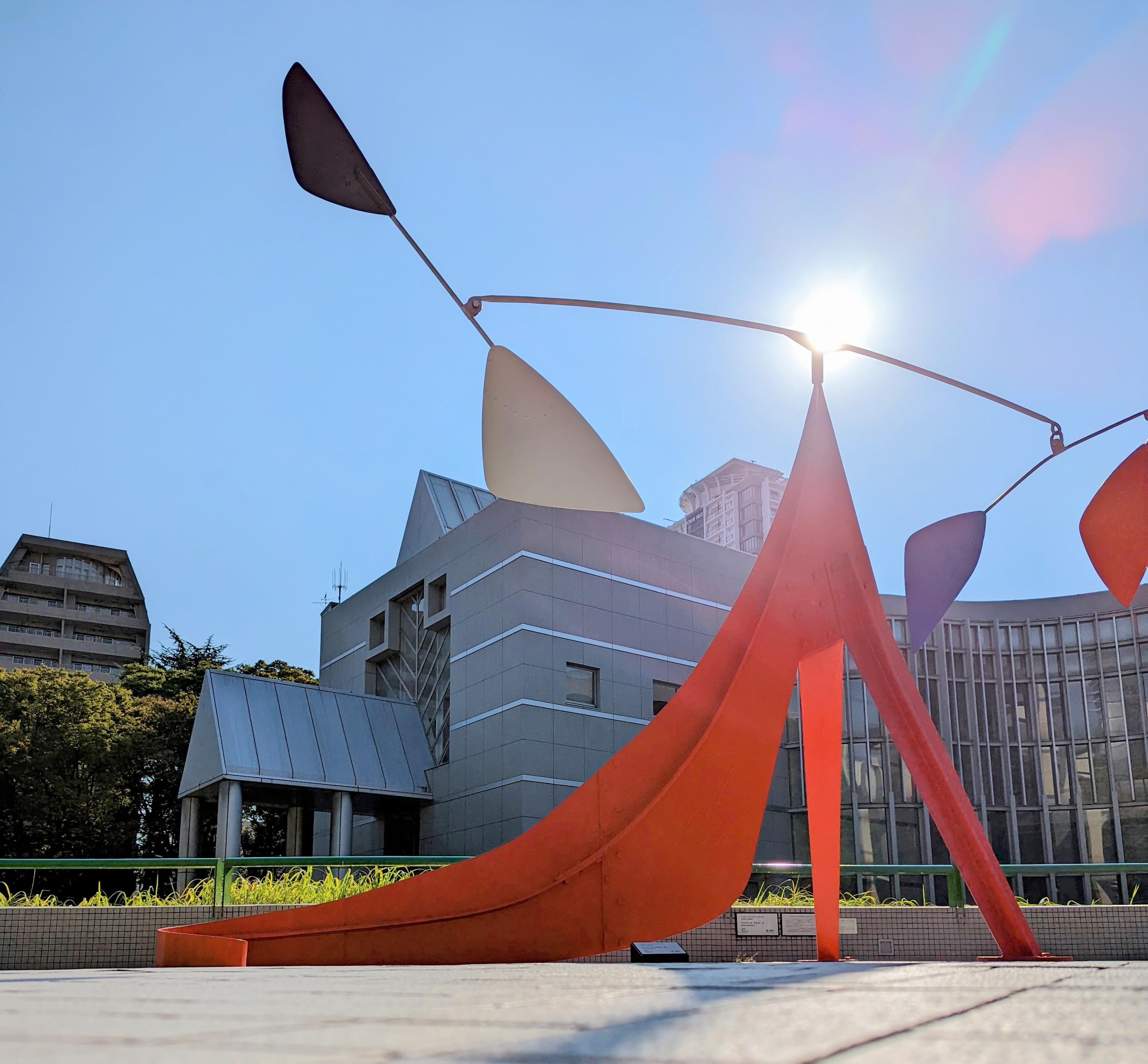
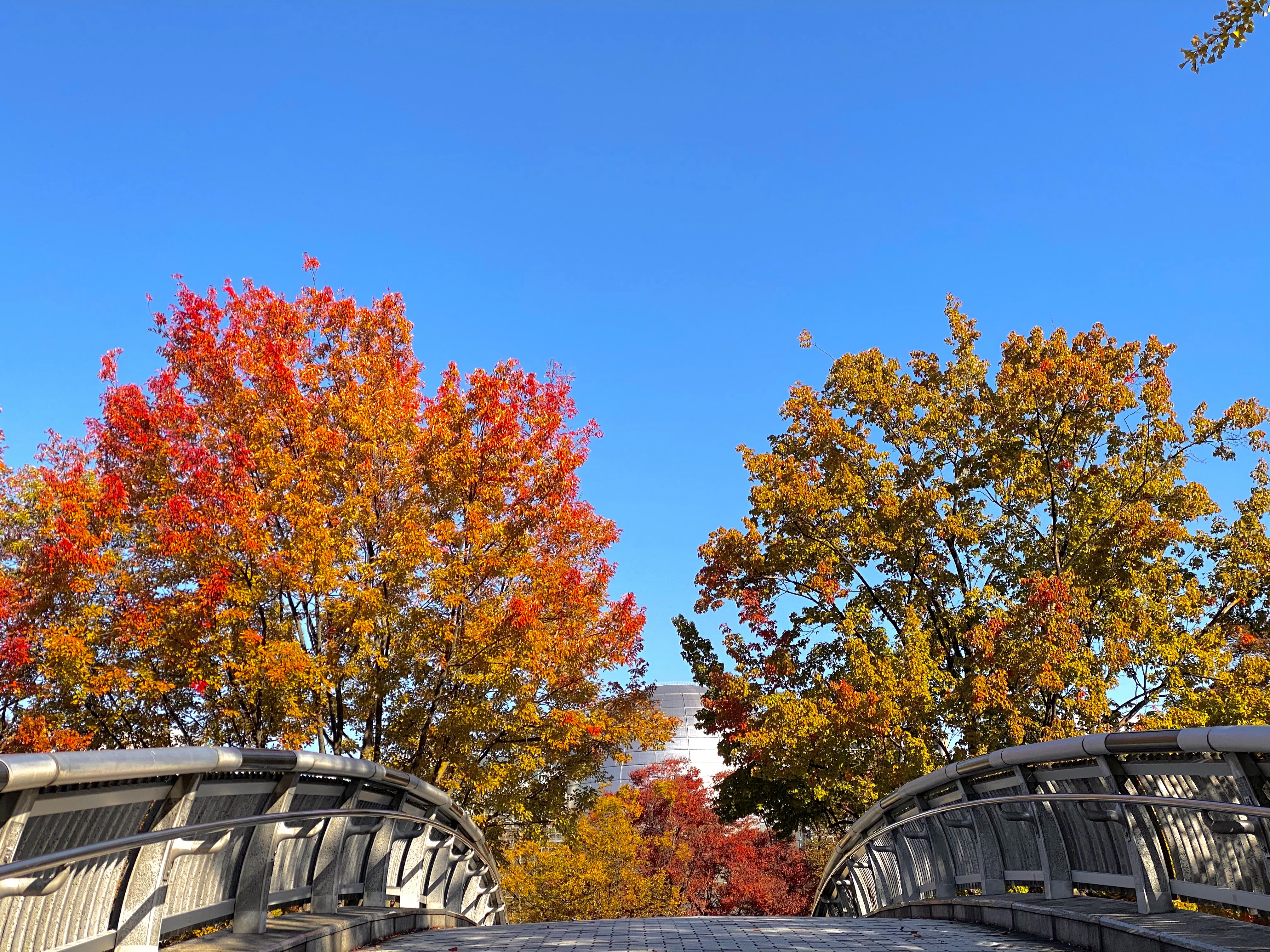
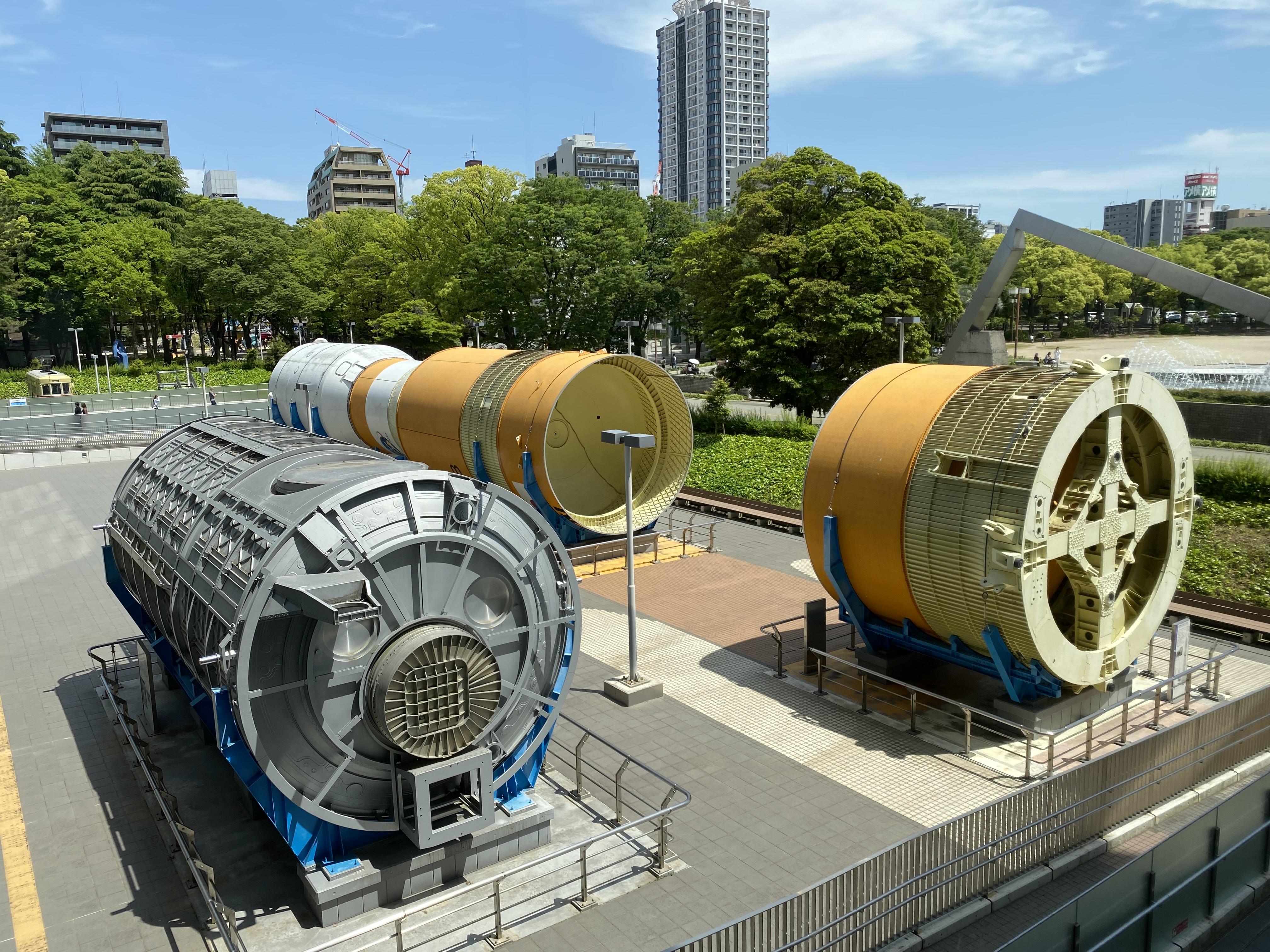
Shirakawa Park is one of central Nagoya's most beloved green spaces, lying in the Sakae district of Naka Ward between the Nagoya City Science Museum and the Nagoya City Art Museum. Opened in 1931, it is a classic urban park of lawns, tree-lined paths and seasonal flower beds. Every spring roughly 120 cherry trees turn the grounds pink, while in autumn the ginkgo and maple leaves colour the avenues. With no admission fee and 24-hour access, it is a calm retreat for locals, families and visitors exploring the museums that flank it.

About the Park

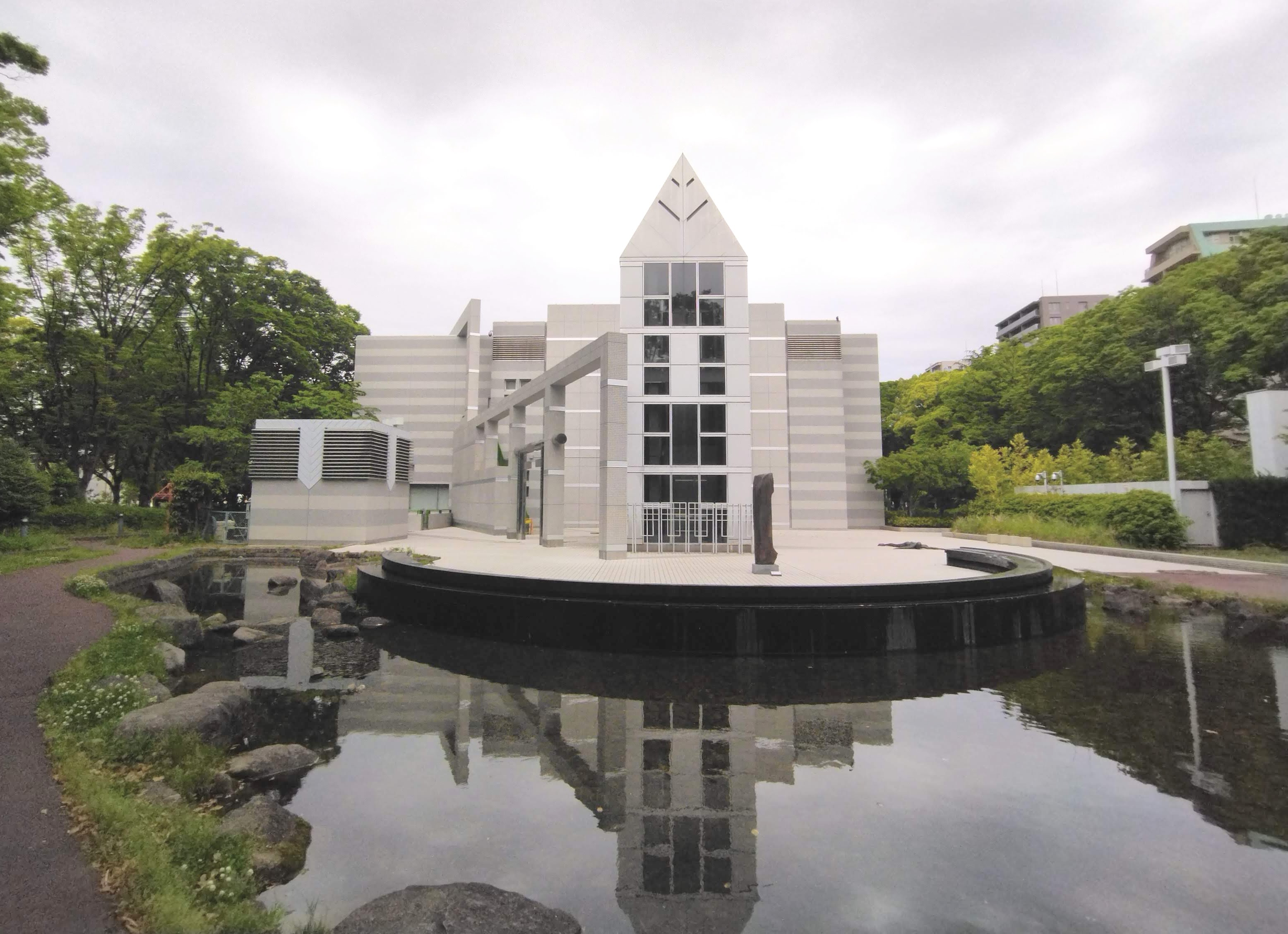
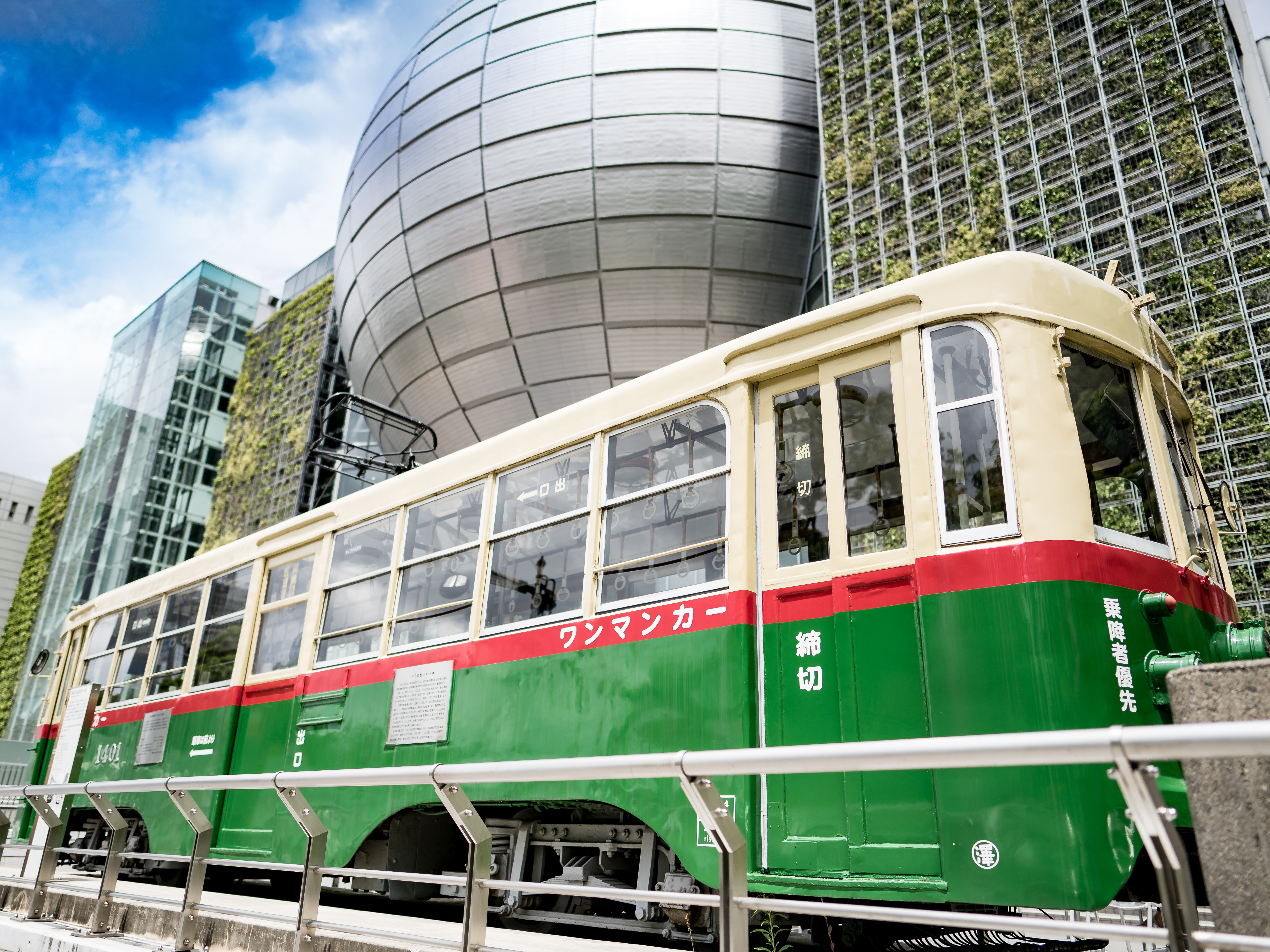
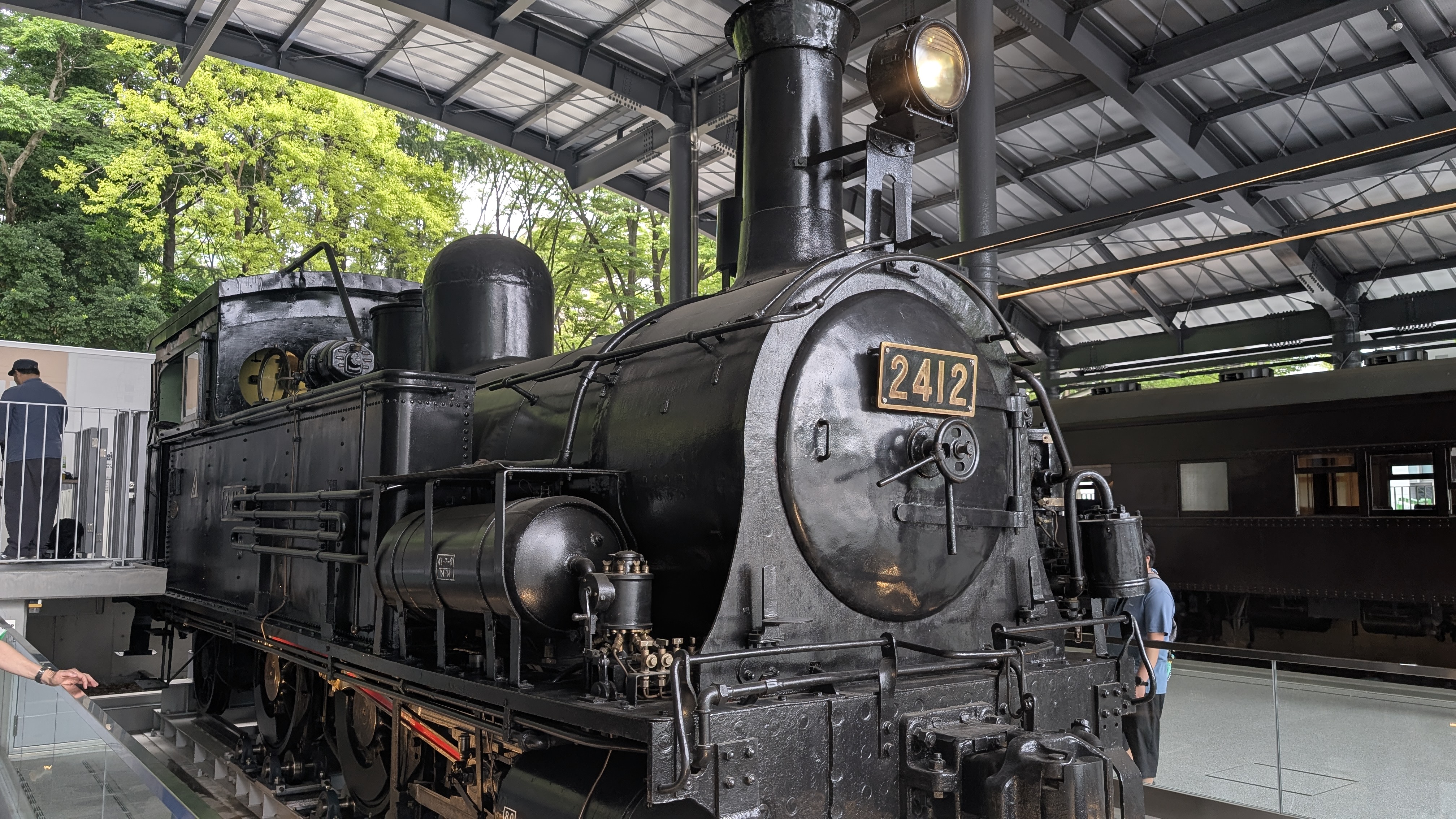
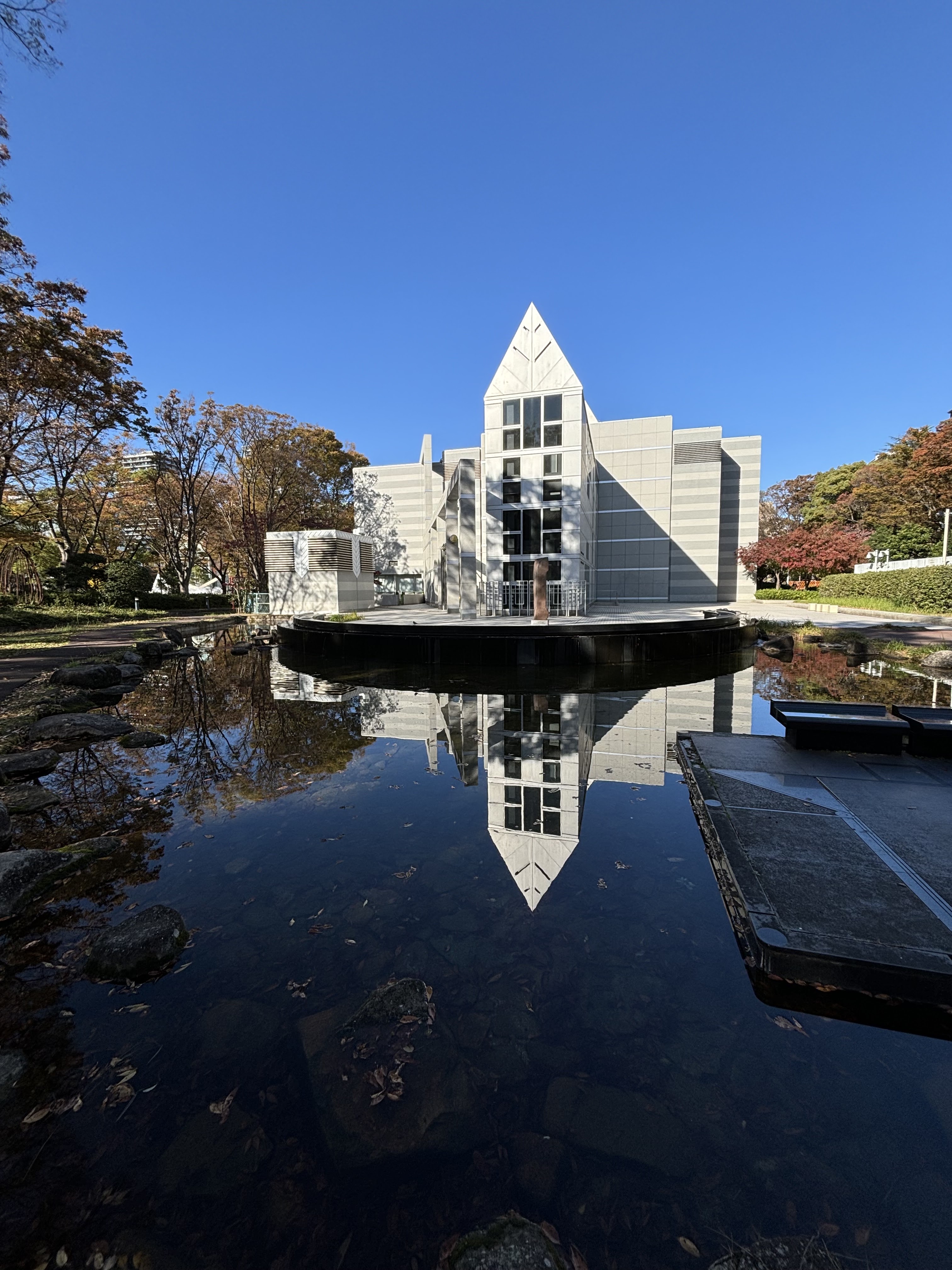
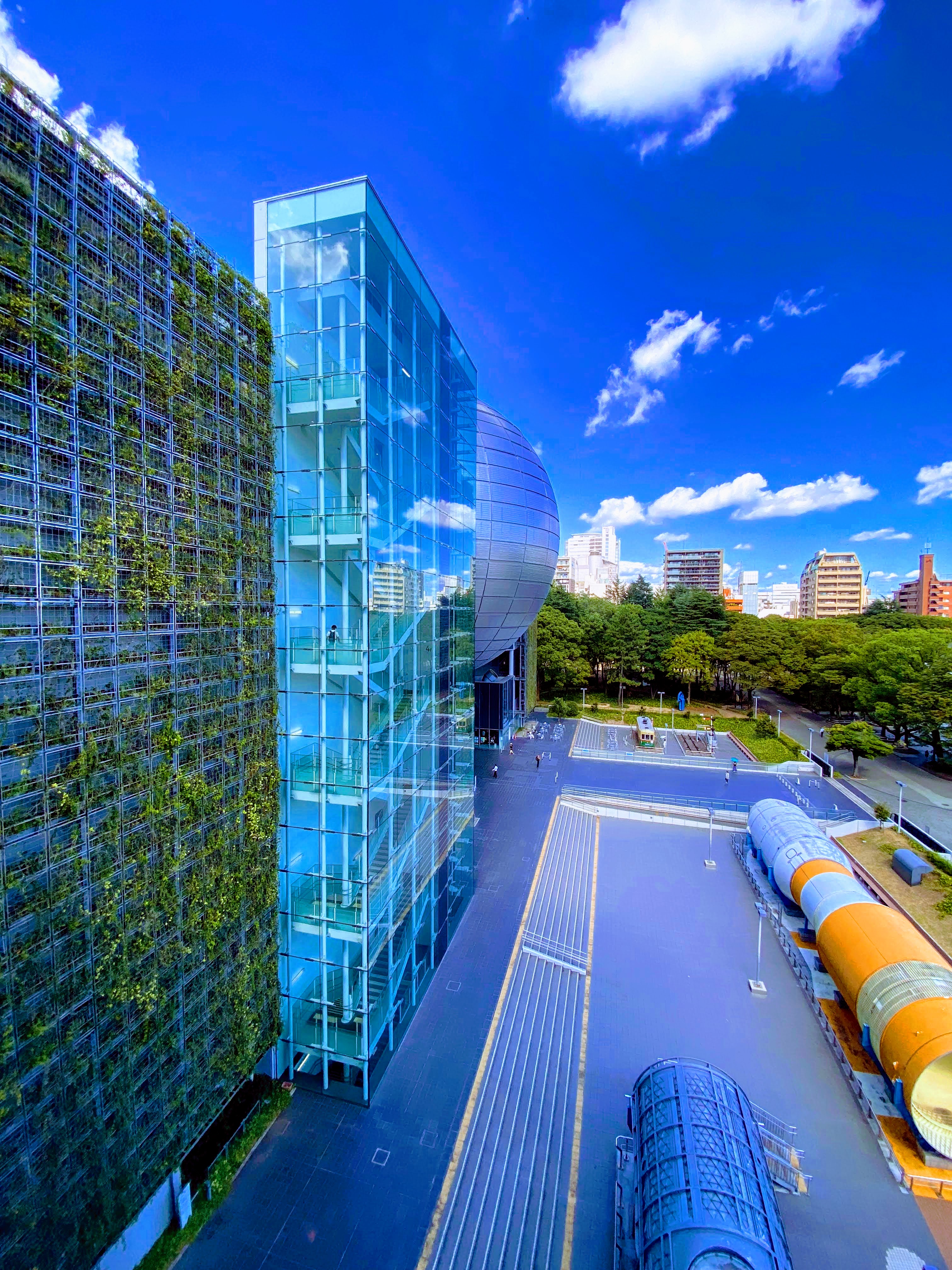
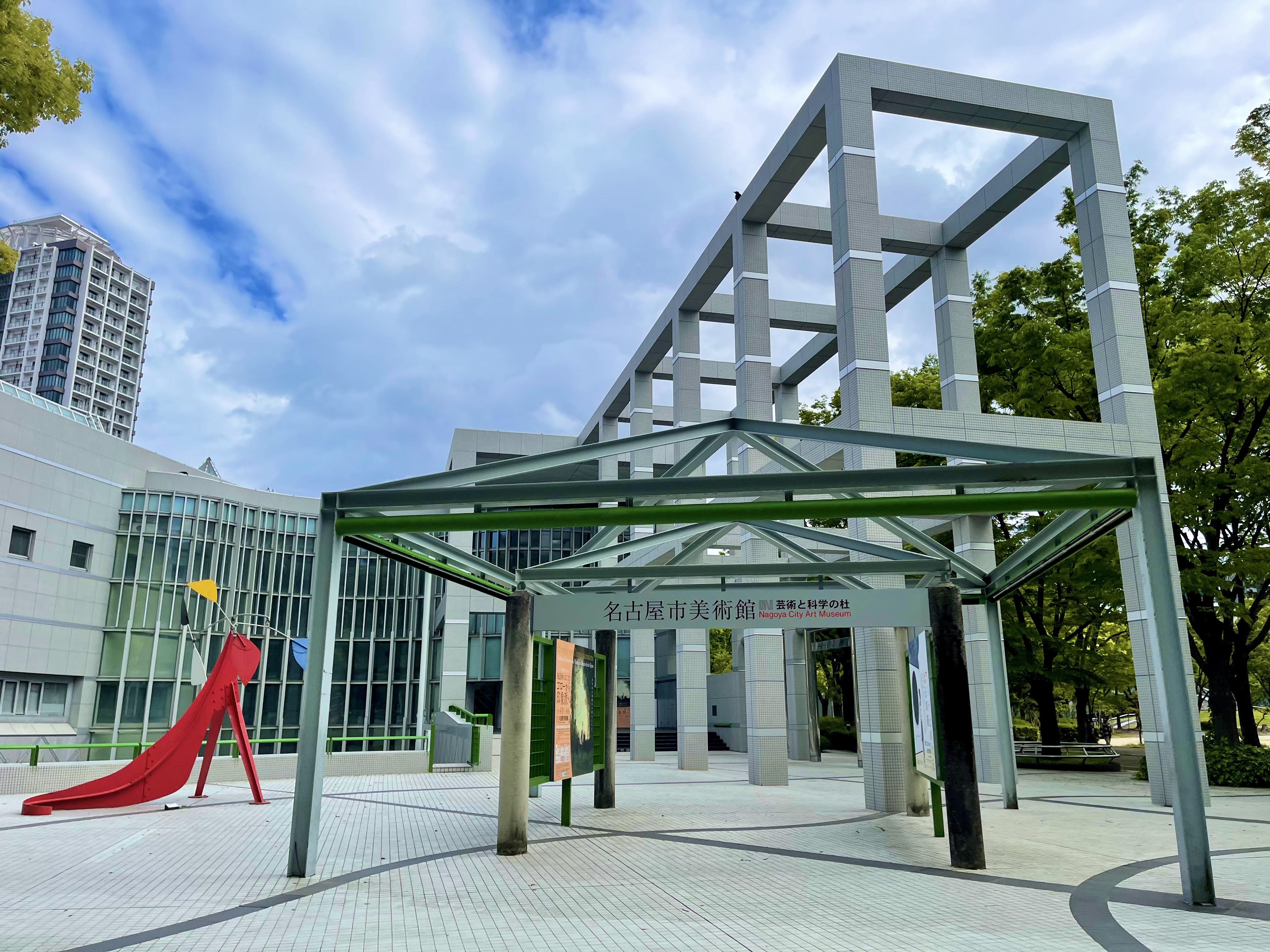
Shirakawa Park is a metropolitan park managed under the City of Nagoya's parks system, located in Naka Ward at the heart of the Sakae district. Together with the Nagoya City Science Museum and the Nagoya City Art Museum, which sit within its grounds, it forms a major cultural and green space for the city. Maintained as a public, free-access park, it serves residents and visitors alike as a place for relaxation, seasonal flower viewing and community events.

Highlights

  • Opened in 1931 as a classic Showa-era urban park
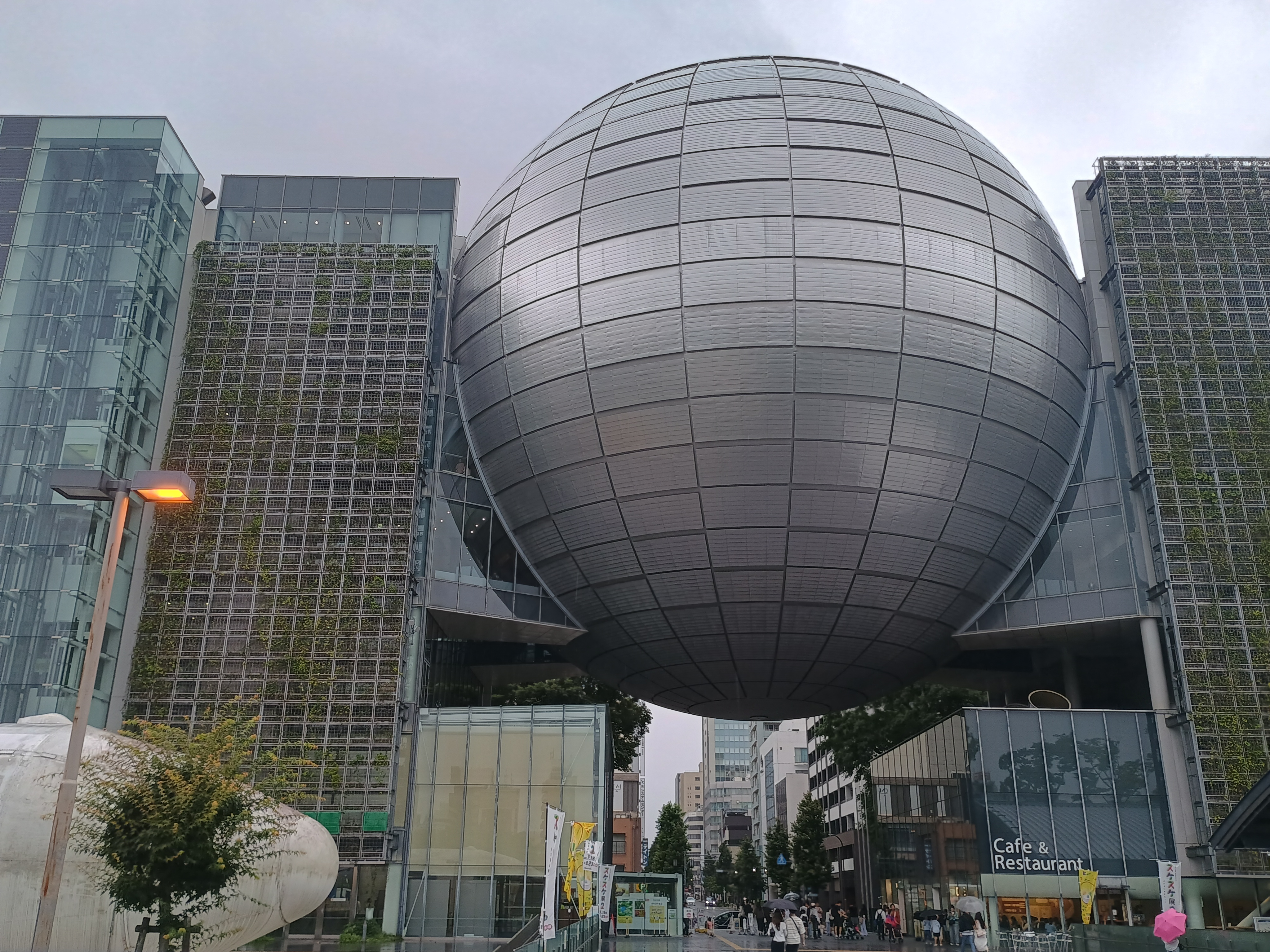
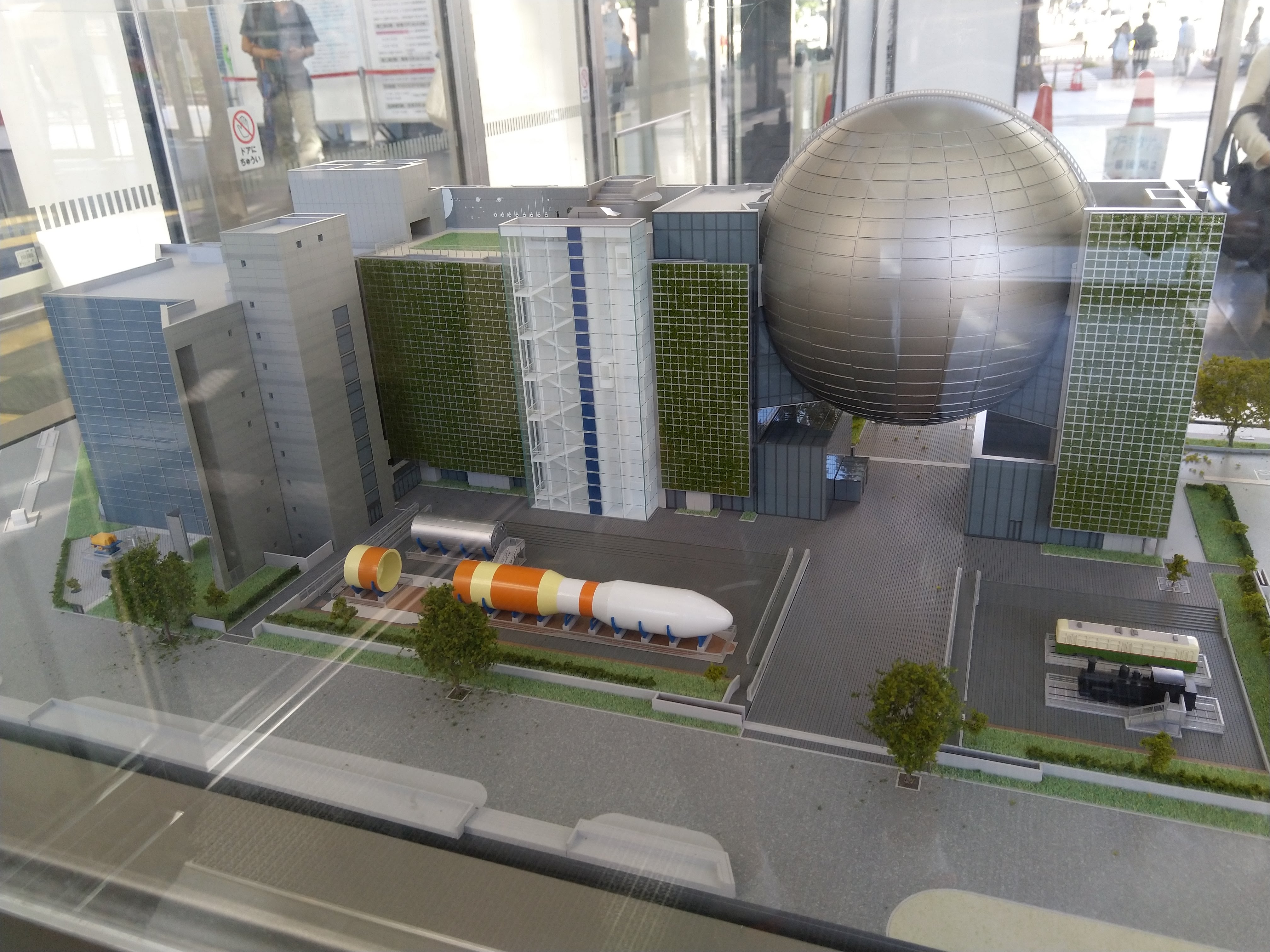
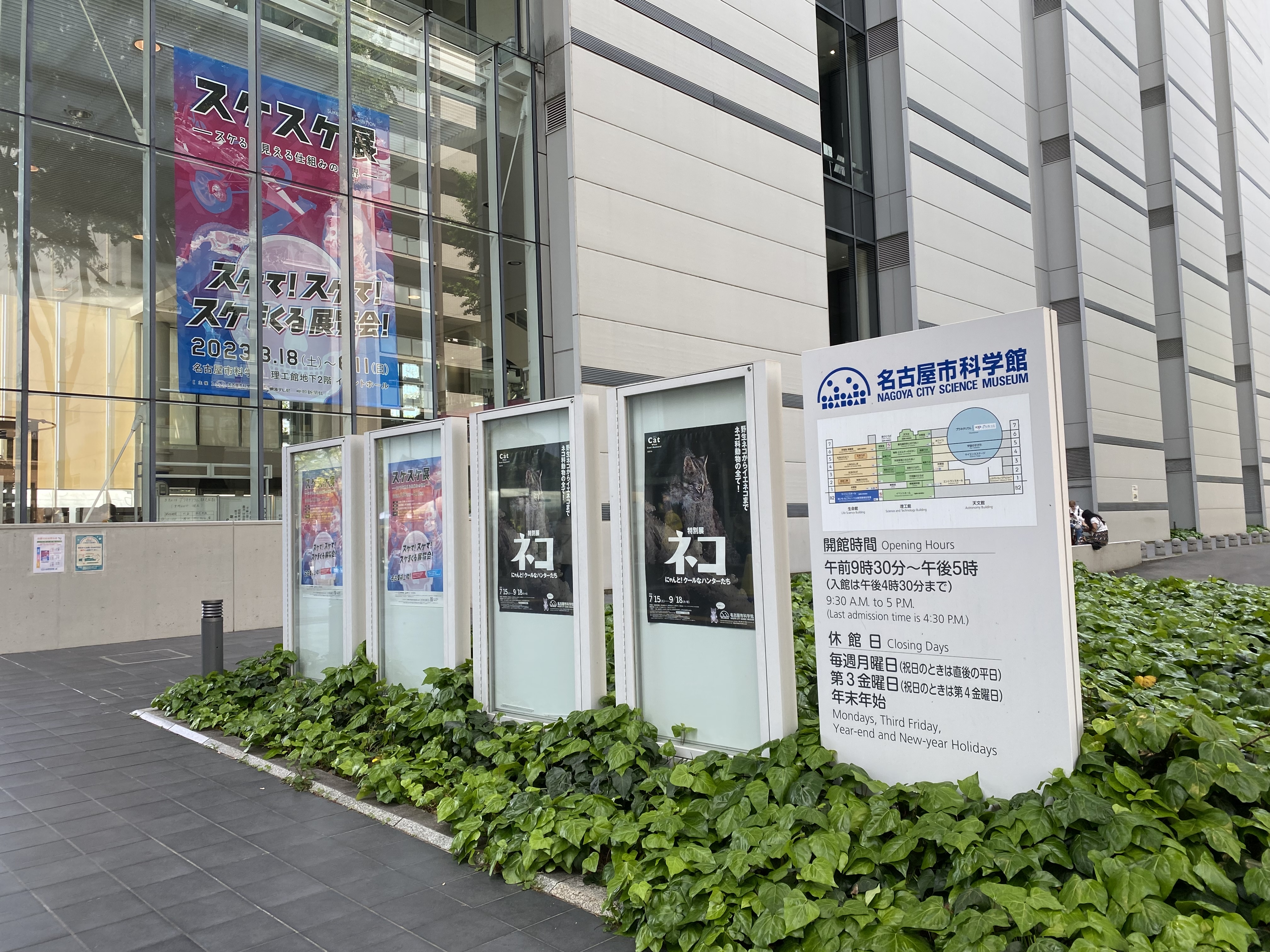
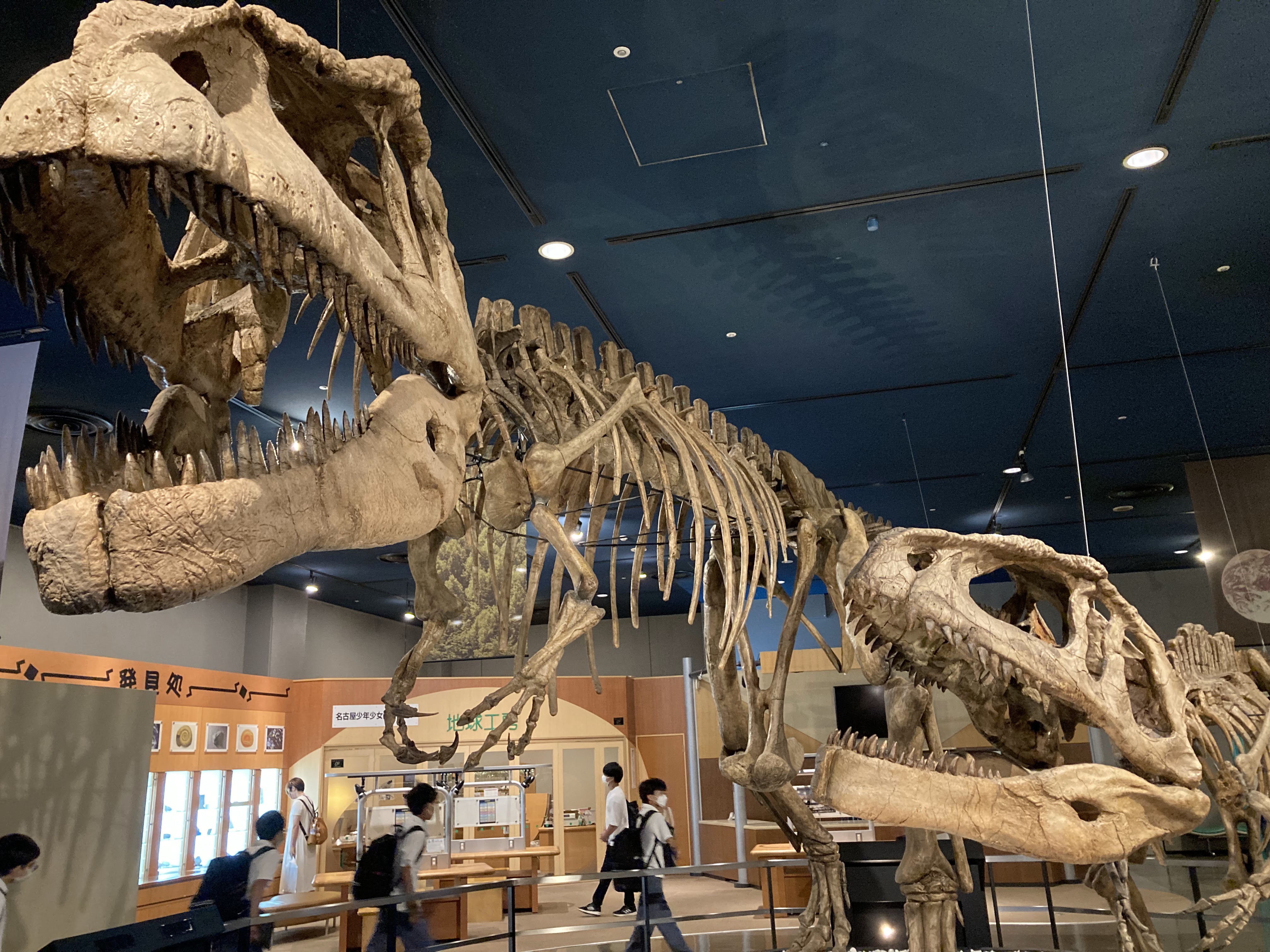
  • Home to the Nagoya City Science Museum and Art Museum
  • Around 120 cherry trees — a famous Sakae hanami spot
  • Open 24 hours, free admission, in central Nagoya

How to Reach Shirakawa Park

Nagoya is a major rail hub, so the main decisions are how to reach the city and which subway line to take to Fushimi or Sakae.

Start with your arrival point

Nagoya is reached by the Tokaido Shinkansen, by air via Chubu Centrair International Airport (NGO), or by highway bus and car. Once in the city, Shirakawa Park lies in Naka Ward near Sakae; the nearest subway stations are Fushimi (Higashiyama & Tsurumai lines) and Sakae (Higashiyama & Meijo lines), each a 5–10 minute walk.

Know this before you set out

  • The park is in central Nagoya, Naka Ward, 2-17 Sakae — flat and easy to reach on foot from Sakae or Fushimi.
  • Chubu Centrair Airport (NGO) is about 35 km south; Nagoya Station is the Shinkansen gateway, roughly 3 km west.
  • In spring (cherry season) and at weekends the Sakae area is busy: allow extra time for the subway and on-site navigation.
✈️

Arrival by plane

Fly to Chubu Centrair International Airport (NGO)

For those coming from overseas or distant cities, flying into Nagoya is the most convenient option.

  • -Chubu Centrair (NGO) is about 35 km south of central Nagoya, on an artificial island in Ise Bay.
  • -The Meitetsu μ-SKY limited express reaches Nagoya Station in about 28–35 minutes; trains to the airport are also direct.
  • -From Nagoya Station, take the Higashiyama Subway Line one stop to Fushimi, then walk about 7 minutes to the park.
🚄

By train / Shinkansen

Tokaido Shinkansen to Nagoya Station

The Shinkansen is the fastest way to reach Nagoya from Tokyo, Kyoto and Osaka.

  • -The Tokaido Shinkansen connects Tokyo, Kyoto and Osaka with Nagoya Station in about 1h40, 35 min and 50 min respectively.
  • -From Nagoya Station, the Higashiyama Subway Line goes one stop to Fushimi (or two to Sakae).
  • -The park is a 5–10 minute walk from either Fushimi or Sakae subway exits.
🚇

Public transit

Subway & City Bus

Nagoya's subway is the easiest way to reach the park from anywhere in the city.

  • -Take the Higashiyama Line to Fushimi or Sakae, or the Tsurumai Line to Fushimi.
  • -From Fushimi Station it is about a 7-minute walk; from Sakae about a 10-minute walk south-west.
  • -City buses also stop near Sakae; the park is clearly signed from the Sakae and Fushimi areas.
🚕

Taxi, walking & cycling

Taxi, Walking & Cycling

For the last stretch, central Nagoya is flat, walkable and bike-friendly.

  • -A taxi from Nagoya Station takes about 10 minutes (roughly 3 km); useful with luggage or in bad weather.
  • -From Sakae or the Science Museum the park is just a few minutes on foot or by rental bike.
  • -The park paths are flat and step-free, ideal for wheelchairs, strollers and a relaxed walk.

Tips for your visit

  • Cherry blossom season (late March–early April) is the busiest; visit early morning for photos and fewer crowds.
  • The park is open 24 hours and free, so you can also enjoy it lit up at night or for a quiet evening walk.
  • Pair your visit with the adjacent Science Museum and Art Museum; both are paid but steps from the lawns.

History & Character of Shirakawa Park

1

Origins (1931)

Shirakawa Park opened in 1931 (Showa 6), during a period when Nagoya was modernising its urban centre. It was laid out as a Western-style public park of open lawns and tree-lined promenades, reflecting the city's ambition to create green, recreational spaces for its citizens. The park takes its name from the Shirakawa (White River), a small stream that once flowed through this part of Nagoya before being culverted underground as the city expanded.

2

Why Here?

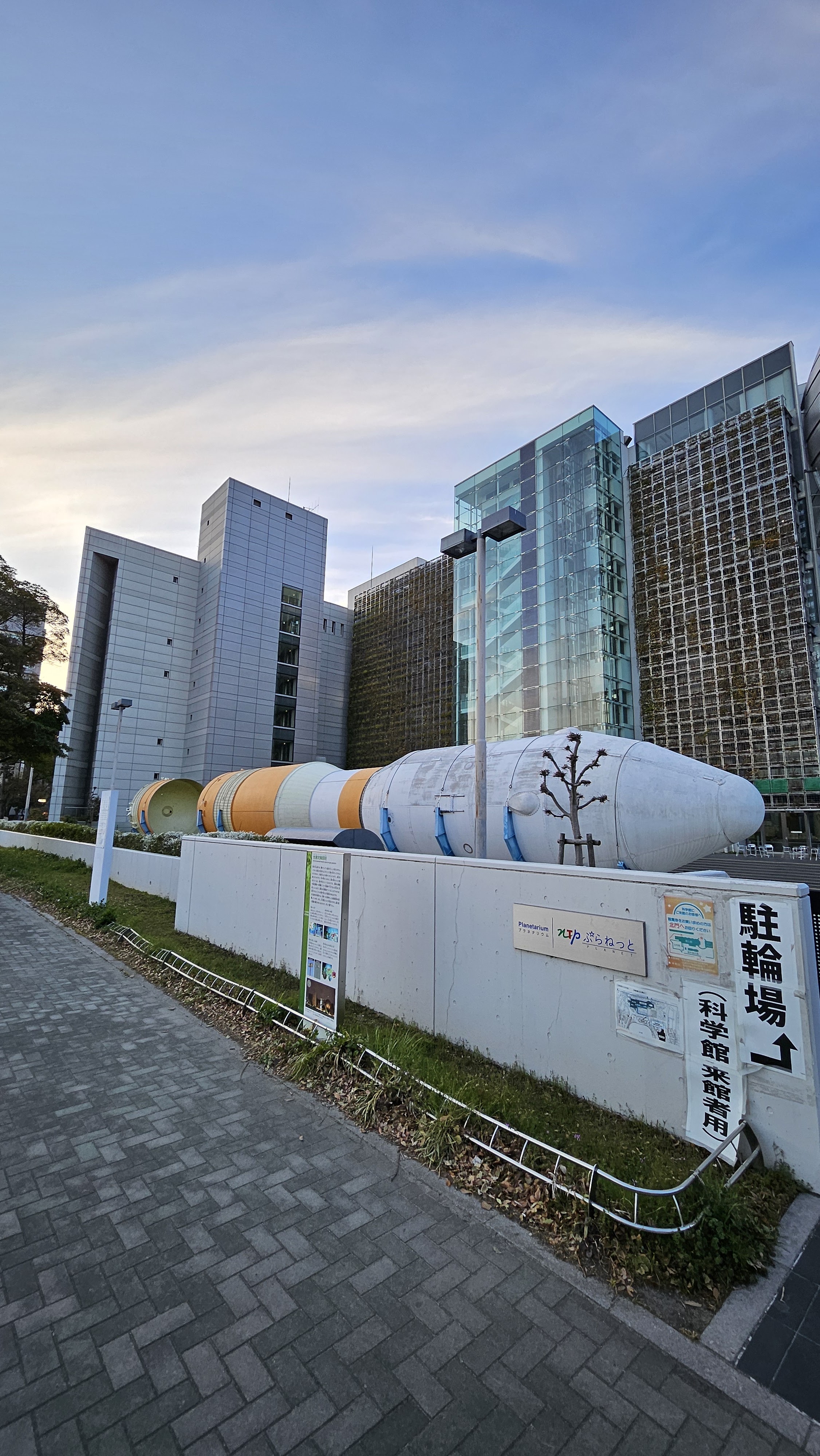
The site was chosen in the Sakae district because it sat between the city's growing cultural institutions and its commercial heart. Over time the park became the green front garden of two landmark museums: the Nagoya City Science Museum to the north and the Nagoya City Art Museum to the south. Its central, flat location made it an ideal gathering place and a calm counterpoint to the busy Sakae shopping district nearby.

3

Cherry Blossoms & the Seasons

Today the park is best known for its roughly 120 cherry trees, which draw crowds for hanami (blossom viewing) each spring. Beyond cherry season, the lawns, ginkgo avenues and water features make it a year-round retreat. The open, level grounds also host community events and markets, keeping the park woven into the daily life of Nagoya.

4

A Green Heart of Nagoya

Shirakawa Park remains one of central Nagoya's most accessible green spaces, free and open around the clock. Together with the museums on its grounds it forms a compact cultural quarter — a place where science, art and nature meet just steps from the Sakae skyline.

Selected Impressions

Two short visitor quotes break up the long read and reinforce the park's mix of nature and culture.

“A calm green escape right in Sakae. Perfect for a walk between the Science Museum and the Art Museum, especially during cherry blossom season.”

Kenji T., April 2026

“We visited in the evening after the museums closed. Quiet, safe and beautifully lit — a lovely spot to unwind in the city centre.”

Aiko M., March 2026

Practical Planning

Visitor Guide

As a public park open 24 hours, Shirakawa Park can be visited at any time; early morning and weekday afternoons are the quietest.

  • Plan 30 minutes to an hour: stroll the lawns, photograph the cherry blossoms (late March–early April) or the autumn leaves.
  • The park sits between the Nagoya City Science Museum (north) and the Nagoya City Art Museum (south) — combine all three in one visit.
  • Paths are flat and paved, but shade is limited in summer: bring water, a hat and sunscreen.
  • It is a short walk from Sakae and Fushimi, the two main hubs of central Nagoya.

Visitor Reviews

Visitor feedback is available on Google Maps (external link).

K
Kenji T.
April 2026

A calm green escape right in Sakae. Perfect for a walk between the Science Museum and the Art Museum, especially during cherry blossom season. Free and open all hours.

A
Aiko M.
March 2026

We visited in the evening after the museums closed. Quiet, safe and beautifully lit — a lovely spot to unwind in the city centre.

H
Hiroshi K.
February 2026

A handy, flat park to rest between sights. Not huge, but the museums on either side make it worth the stop. Bring a hat in summer as shade is limited.

Y
Yuki S.
January 2026

Great location next to Fushimi and Sakae. Easy to reach by subway and pleasant for a morning stroll before the crowds arrive.

How to Get Here

2 Chome-17 Sakae, Naka Ward, Nagoya, Aichi 460-0008, Japan

Frequently Asked Questions

Practical information on facilities, the park's history and planning your visit to Shirakawa Park.

Parking
Paid lots near Sakae & Fushimi
Restrooms
Public restrooms in the park
Fuel / EV
Stations around Sakae
Accessibility
Step-free, flat paths

Transport & Facilities

Is there parking nearby? How much does it cost?

Shirakawa Park itself has no dedicated parking lot. Several paid municipal and private parking lots are within a 3–5 minute walk, mainly around the Sakae and Fushimi districts. Rates are typically charged by the hour; early arrival on weekends and during cherry season is recommended as they fill quickly.

Can wheelchairs or strollers get close?

Yes. The park is completely flat with paved, step-free paths, making it easy to navigate with wheelchairs, strollers and mobility aids. The adjacent museum entrances are also accessible.

Are there restrooms or food nearby?

Public restrooms are available within the park. For food and drinks, the surrounding Sakae district is full of cafés, restaurants and convenience stores a few minutes' walk away; the museums also have cafés.

History & Nature

When was the park founded and why is it special?

Shirakawa Park opened in 1931 as a Western-style public park, named after the Shirakawa river that once flowed nearby. It is special because it cradles two major museums — the Nagoya City Science Museum and the Nagoya City Art Museum — and is famous for about 120 cherry trees that turn the grounds pink each spring.

What is the Shirakawa river connection?

The park is named after the Shirakawa (White River), a small stream that originally ran through this area of Nagoya. As the city modernised, the river was culverted underground, but its name lives on in the park that became the neighbourhood's green heart.

Planning & Tickets

Is there an entrance fee?

No. Shirakawa Park is a public park with free, 24-hour access — no ticket office or gate. (The museums on the grounds charge separate admission.)

How long does a visit take?

A relaxed visit lasts about 30 minutes to an hour: a stroll around the lawns, photos of the cherry blossoms or autumn leaves, and perhaps a rest on a bench. Allow extra time if you also enter the Science Museum or Art Museum.

Can I go in bad weather?

Yes — the park is open 24 hours and is outdoor, so it can be visited in any weather. In summer the sun is strong and shade is limited, so bring water and sun protection; after rain the paths may be damp but remain walkable.

What to see nearby

After visiting, what else do you recommend nearby?

Right beside the park are the Nagoya City Science Museum (north) and the Nagoya City Art Museum (south). A short walk reaches Sakae's shopping and nightlife, Nagoya TV Tower and Hisaya-odori Park, while Nagoya Castle and the Osu shopping arcade are a little further by subway.